Do Not Delete
“I eat pretty healthy.”
I hear some version of this all the time, especially from women who are frustrated because they’re doing what they believe they should be doing and still don’t feel well.
Maybe they’re dealing with digestive issues, fatigue, brain fog, stubborn weight changes, blood sugar problems, high cholesterol, inflammation, or other symptoms that don’t seem to make sense. After all, they’re not living on fast food and soda. They’re cooking at home. They’re eating salads. Buying organic. And choosing foods they’ve been told are good for them.
So why isn’t their body cooperating?
One of the first things I want to understand is what “pretty healthy” actually means to them.
Because I’ve learned that those two words can mean almost anything.
We All Have Our Own Definition of “Healthy”
Ask ten women what it means to eat healthy, and you’ll likely get ten different answers.
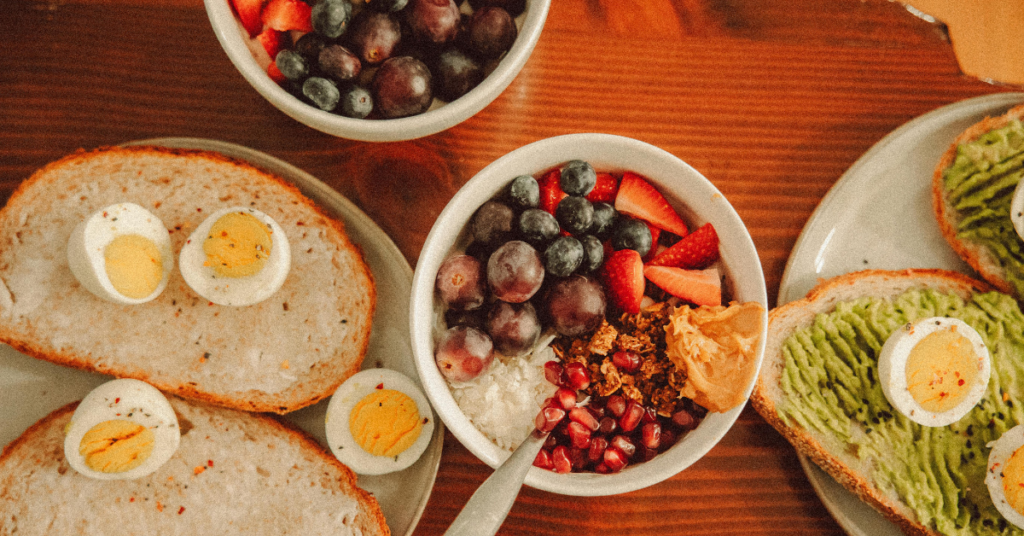
One woman might say she eats healthy because she watches her calories. Another because she eats a lot of salads. Someone else buys organic, avoids processed foods, prioritizes protein, eats low-fat, follows a plant-based diet, avoids carbohydrates, chooses gluten-free products, or cooks most of her meals at home.
None of those answers necessarily tells me whether she’s giving her body what it needs.
The problem isn’t that we’re all terrible at knowing what healthy food is. It’s that most of us were never really taught how to evaluate food in the first place.
Instead, we’ve accumulated ideas about healthy eating over decades.
Maybe growing up during the low-fat era causes you to still instinctively see fat as something to limit. Maybe years of dieting taught you that fewer calories automatically means a better choice. We’ve watched carbohydrates go from the base of the food pyramid to something we’re told to fear. And now we’re watching protein get added to everything from cereal to ice cream because “high protein” has become synonymous with healthy.
Then add family habits, food marketing, health claims on packages, social media, diets with names, wellness trends, and constantly changing nutrition advice.
How each of us internalizes all of these messages eventually becomes our personal definition of “healthy.”
But most of us never consciously chose that definition. And we rarely stop to ask whether it’s actually serving us.
“Is This Healthy?” is the Wrong Question
When I started learning more about nutrition and how the body actually works, the way I thought about food changed dramatically.
For years, we were taught that a salad was automatically healthy because…well, it’s a salad. Then the “wellness” world told us that salads actually weren’t healthy: no nutrients in iceberg lettuce, too much sugar in the dressing, not enough protein to make it a real meal, and so on.
Today, I know the health benefits of a salad are much more nuanced than what the headlines might have us believe. I’m much more interested in what’s actually in that salad. Is there enough protein? Healthy fat? Fiber? A variety of colorful plants? Is it substantial enough to nourish me and keep my blood sugar steady, or am I going to be hungry again an hour later? Are there ingredients that will cause harmful inflammation in my body or disrupt my system?
The same is true of every meal that sits in front of me.
I don’t care what the generic wellness influencers deem as “healthy.” I want to know what nutrients that meal is actually giving my body and the downstream impacts that meal is going to have on my health.
Our bodies need protein, fats, carbohydrates, vitamins, minerals, fiber, phytonutrients, water, and plenty of other compounds from food to carry out the thousands of jobs they’re doing every moment of every day.
What we eat influences our blood sugar, digestion, energy, hormones, immune function, inflammation, cardiovascular health, muscle and bone health, and so much more.
Our bodies don’t care what other people think is a “healthy” food or whether the package says high protein, gluten-free, organic, natural, or heart healthy. They care about what we actually put into them and what they’re able to do with it.
And there’s another piece of this that I think gets missed in conversations about healthy eating.
A “Healthy” Food May Not Be Healthy for Your Body
Let’s say you make dinner at home: chicken, broccoli, orzo pasta, and a light cream sauce.
Most people would probably look at that meal and call it pretty healthy. It contains protein. There’s broccoli on the plate. It’s homemade. The sauce isn’t particularly heavy.
And for one person, that meal may work beautifully.
But what if another person’s body doesn’t tolerate gluten or dairy well? She can continue making that “healthy” dinner week after week while unknowingly eating foods that are contributing to digestive symptoms, inflammation, or other issues in her body.
The same thing can happen with individual foods.
Cottage cheese is having quite a moment because it’s high in protein. Does that make it a nutritious food? Sure. If you’re only looking at it through the lens of protein intake. Does that mean it’s a good choice for every person? No.
Beans are incredibly nutritious too. So are eggs, nuts, whole grains, and plenty of other foods we commonly put in the “healthy” category. But a food having nutritional value doesn’t guarantee that every body will respond well to it.
That’s why “Is this a healthy food?” and “Is this a healthy food for me?” aren’t the same question.
This doesn’t mean we should become afraid of food or start randomly eliminating foods simply because they might cause a problem. And it certainly doesn’t mean every symptom requires another restrictive diet. It means we need to stop treating the word healthy as though it gives us all the information we need.
This is a big part of what I teach women to do in Gut Harmony: understand what their bodies need, learn how different foods can affect them, and start identifying their own patterns rather than simply following someone else’s definition of healthy eating.
Ask What Your Body Is Actually Getting
Instead of asking: “Do I eat healthy?”
I’d rather you ask: “Am I consistently giving my body what it needs to function well?”
That’s a very different question.
It asks us to look beyond labels and consider both nourishment AND our individual response to food.
Are:
- You eating enough protein to support your muscles and other functions?
- You getting nourishing fats and plenty of fiber?
- Colorful plants showing up regularly?
- You getting a wide variety of nutrients, or eating the same handful of foods over and over?
- Your meals supporting stable blood sugar and sustained energy?
Then we can look at what’s happening in our own bodies.
- How are your digestion and bowel movements?
- How do you feel after meals?
- Are you satisfied, or constantly looking for something else to eat?
- Do certain foods seem to consistently correspond with symptoms?
- Are there patterns worth paying attention to? Mid-afternoon fatigue, joint pain, headaches, brain fog, etc.
None of those questions requires us to assign a pass/fail grade to our diet. They simply give us better information to move forward and make future food decisions with.
Try Looking at Yesterday Differently
If you want to put this into practice, think about what you ate yesterday.
Don’t decide whether it was a “good” day or a “bad” day. Don’t calculate how closely it matched whatever definition of healthy eating you’ve been carrying around.
Instead, look at your meals and ask: What did this food actually give my body?
Look for the protein, healthy fats, fiber, colorful plants, vitamins, minerals, and variety. Think about how your meals affected your energy, hunger and satisfaction, digestion, and how you felt afterward.
Then zoom out.
One day doesn’t tell us much. Our bodies are influenced by what we do consistently, so we’re looking for patterns.
And if you’ve been saying, “I eat pretty healthy, but…” while dealing with symptoms or health concerns that don’t seem to make sense, this is a good sign to look deeper.
Get more curious about what healthy means in your own mind.
Then start asking a better question: Am I consistently giving my body what it needs to function well?
Because eating food that looks healthy and nourishing the body you actually live in aren’t always the same thing.