Do Not Delete
It’s 8:43 p.m. Dinner is cleaned up. The kids are quiet. And there you are, standing in the kitchen, opening the pantry for the third time tonight even though you’re not really hungry, wondering why it feels so hard to stop sugar cravings.
Maybe it’s chocolate chips. Maybe it’s cereal straight from the box. Maybe it’s a cookie – or three – while you tell yourself you’ll be better tomorrow. And underneath all of it is that frustrated little voice: Why can’t I just stop doing this?
You had good intentions this morning. You weren’t planning to end the day feeling out of control. But here you are again.

Before we go any further, I want to be really clear about something: this is not a character flaw. You are not weak, you are not broken, and your body is not working against you just because sugar is hard to resist at the end of a long day.
Most women who struggle with sugar cravings already know they “should” eat less sugar. That’s not the missing piece. The missing piece is understanding why your body is asking for it so loudly in the first place.
Because if willpower were the answer, it would have worked by now.
If You Could “Just Stop,” You Would Have Already
There’s a particular kind of frustration that comes with feeling out of control around sugar. You do fine most of the day, and then something shifts. You walk past the pantry and suddenly the cookies are calling your name. You finish dinner and feel like the meal isn’t complete without something sweet. When the sugar craving hits, you tell yourself just one, but one becomes three, and now you’re annoyed with yourself before you’re even done chewing.
And the most frustrating part? You know better.
You know sugar probably isn’t helping your energy. You know it might leave you feeling puffy or foggy or wired later. You know it can make tomorrow’s cravings worse. But knowing doesn’t quiet the craving – and that’s because cravings aren’t always a simple matter of willpower. Sometimes they’re driven by physiology: blood sugar shifts, stress hormones, poor sleep, digestion struggles, gut imbalance, inflammation, and the way your body is trying to keep you functioning through real life.
This is why “just stop eating sugar” lands so flat. If you could just stop, you probably would have already. Most women aren’t sitting around thinking, I really enjoy feeling frustrated with myself every night.
You’re managing people, meals, schedules, work, family, laundry, appointments, and 47 tabs open in your brain. So when your body starts reaching for fast energy or a little comfort at the end of the day, it makes complete sense that willpower feels thin. Not because you don’t care, but because your system may be running on fumes.
Sugar Cravings Are a Sign That Something Deeper Needs Attention
Most sugar-craving advice focuses on the craving itself. Drink water. Chew gum. Go for a walk. Brush your teeth. Don’t keep sugar in the house. And those ideas can help in the moment – a pattern interrupt is sometimes useful.
But if the cravings keep coming back, we need to ask a better question.
Instead of only asking “How do I stop sugar cravings?” we need to ask “Why is my body asking for sugar in the first place?” That shift changes everything. Because now we’re not chasing symptoms anymore – we’re looking at what’s underneath them.
A craving is a signal. It’s information from your body. It might be saying your blood sugar is dipping, or that you didn’t eat enough protein earlier in the day. It might be saying your stress load is too high, your sleep has been poor, or your gut needs some attention. It might be saying your body is trying to find the quickest way to get energy because the foundations aren’t steady yet.
And here’s the part most women have never been taught: these systems aren’t separate. Blood sugar affects cravings. Gut health affects blood sugar. Stress affects digestion. Sleep affects hunger signals. Inflammation affects the whole system. So when cravings show up again and again, they’re often not the problem – they’re the visible sign of a body trying to maintain balance with the resources it has.
How Blood Sugar, Gut Health, and Cravings Become Connected
Most women think of sugar cravings as a food issue. But when we look at our health through a functional lens, cravings often sit right in the middle of blood sugar regulation, gut function, inflammation, stress, and sleep.
Your body wants stability so it’s constantly working behind the scenes to keep you alive, alert, and functioning.
Your Body Is Always Trying to Keep Blood Sugar Stable
Blood sugar is the amount of glucose in your bloodstream. Your body uses it for energy, and your brain is especially dependent on a steady, consistent supply. That’s why blood sugar is tightly regulated – your body does not like big swings. This is where blood sugar balance becomes such an important part of the craving conversation.
If you go too long without eating, eat a meal that doesn’t support you well, or start the day with coffee and very little food, your blood sugar can dip. And when it dips, your body looks for the fastest way to bring it back up. Sugar is fast. And so are foods that break down quickly – cereal, crackers, granola bars, sweet coffee drinks, bread-heavy meals.
Let’s say breakfast is coffee and a piece of toast because the morning was rushed. Lunch is a sandwich, pretzels, and carrot sticks. The afternoon gets busy, so you push through with more coffee instead of a real snack. By 4 p.m. you’re dragging. By dinner you’re snacking while you cook. By 9 p.m., sugar sounds like the only thing that will hit the spot.
That craving didn’t come out of nowhere. Your body has been trying to keep blood sugar stable all day with meals that didn’t quite give it enough steady fuel. The craving isn’t the villain – it’s your body trying to solve an energy problem quickly.
Your Gut Plays a Bigger Role Than Most Women Realize
Now let’s bring the gut into the picture – because this is where things get interesting. And why gut health and cravings belong in the same conversation.
Your gut is not just a place food passes through. It’s where digestion happens, where nutrients are broken down and absorbed, and where bacteria live that influence metabolism, immune function, inflammation, appetite, and even communication with your brain. So if digestion isn’t working well, cravings can absolutely become part of the picture.
You may be eating food but not breaking it down efficiently. You may be getting full but not feeling truly satisfied. You may be choosing foods that conventional messages say are healthy, but they create inflammation in your unique body.
This is where many women feel confused: “I’m eating pretty well. After all, I’m not eating donuts all day. So why am I still craving sugar all the time?”
Here’s the deal though: “eating pretty well” looks differently to everyone.
When we think about our health from a functional perspective, we’re not just asking whether a food seems healthy. We’re asking how your body responds to it. Does it keep your blood sugar steady? Does it support your digestion? Does it leave you genuinely satisfied for several hours?
Those are very different questions than most of us were taught to ask when thinking about our food.
Gut bacteria can also influence appetite signals and food preferences. When the gut ecosystem is out of balance, cravings for highly processed foods or sugar can feel stronger and harder to shake. And when the gut is inflamed or digestion is sluggish, blood sugar regulation can become harder too. The gut helps shape the terrain cravings grow out of.
The Cycle Feeds Itself
Here’s where it can become a frustrating loop. Blood sugar swings contribute to inflammation. Inflammation can disrupt gut function. Poor gut function makes blood sugar regulation harder. And when blood sugar regulation gets harder, cravings get louder.
You feel tired, so you reach for sugar. Sugar gives a quick lift, then energy drops. The drop triggers another craving. Digestion feels off, so you avoid certain foods or eat whatever feels easiest. Stress rises because your body isn’t cooperating. Sleep suffers. Cravings get worse.
And pretty soon you’re thinking: I have no control around sugar. But when you zoom out, you can see that sugar is only one part of the story. The deeper issue is a system struggling to maintain balance.
Why Stress and Poor Sleep Make Cravings Even Worse
Stress and sleep aren’t separate causes floating off to the side of this conversation – they pour fuel on the same fire. Both affect blood sugar. Both affect digestion. Both affect gut health, hunger hormones, appetite, and your ability to feel satisfied after meals. So if you’re trying to reduce sugar cravings but ignoring stress and sleep, you may be working against yourself without realizing it.
Stress Increases Your Need for Quick Energy
And I don’t mean dramatic stress. I mean normal Tuesday stress. The morning rush. Back-to-back obligations. Skipping lunch because something else ran long. Driving kids around. Managing everyone’s emotions. Making dinner while answering texts and mentally planning tomorrow.
Your brain may call that “just life,” but your body still has to respond to it. Cortisol – one of your main stress hormones – helps your body mobilize energy when you need to respond, focus, or stay alert. That’s useful in short bursts. But when stress becomes constant, your body keeps looking for quick fuel. Sugar becomes appealing because it delivers fast energy and a brief sense of relief.
This is why stressful days often end with cravings. It’s not always about the dessert. Sometimes it’s about the day. Your body has been running in a high-demand state for hours, and sugar feels like a shortcut to energy, comfort, and a tiny moment of “something for me.” This is where emotional eating and sugar cravings can overlap, especially when sugar becomes the easiest way to find a little relief after a long day. That makes complete sense. We just don’t want that to be the only support your body knows how to ask for.
Poor Sleep Changes Hunger and Craving Signals
When you don’t sleep well, you feel it the next day – and so does your appetite. Poor sleep can make hunger stronger and satisfaction weaker at the same time, which is a rough combination. It can also make blood sugar harder to regulate. So now your body is tired, your cravings are louder, your energy is lower, and your ability to make steady food choices isn’t exactly at its best.
This is why nighttime cravings are often the result of what happened earlier in the day. If you slept poorly, drank coffee instead of eating a real breakfast, pushed through lunch, and ran on stress all afternoon – the evening craving isn’t random. It’s your body asking for energy after a day that drained more than it restored.
Both stress and sleep also influence the gut directly. When you’re stressed, digestion can slow down or become less efficient. You might notice this as bloating, reflux, constipation, or that heavy feeling after meals. Poor sleep can further affect gut health and blood sugar regulation. It all connects back to the same system.
Hang around me long enough and you’ll hear me say this more than once: EVERYTHING IS CONNECTED.
Why Most Sugar-Craving Solutions Don’t Work Long-Term
Most strategies to stop sugar cravings focus on control. Don’t buy it. Don’t eat it. Have more discipline. Cut it out completely. Do a sugar detox. Start over Monday. Some of those strategies work for a short stretch – you can white-knuckle your way through a few days, clear the pantry, make strict rules. But then life gets stressful, sleep gets messy, or your meals get rushed, and the cravings come right back.
When they do, it’s easy to blame yourself. But what if the approach was just too surface-level?
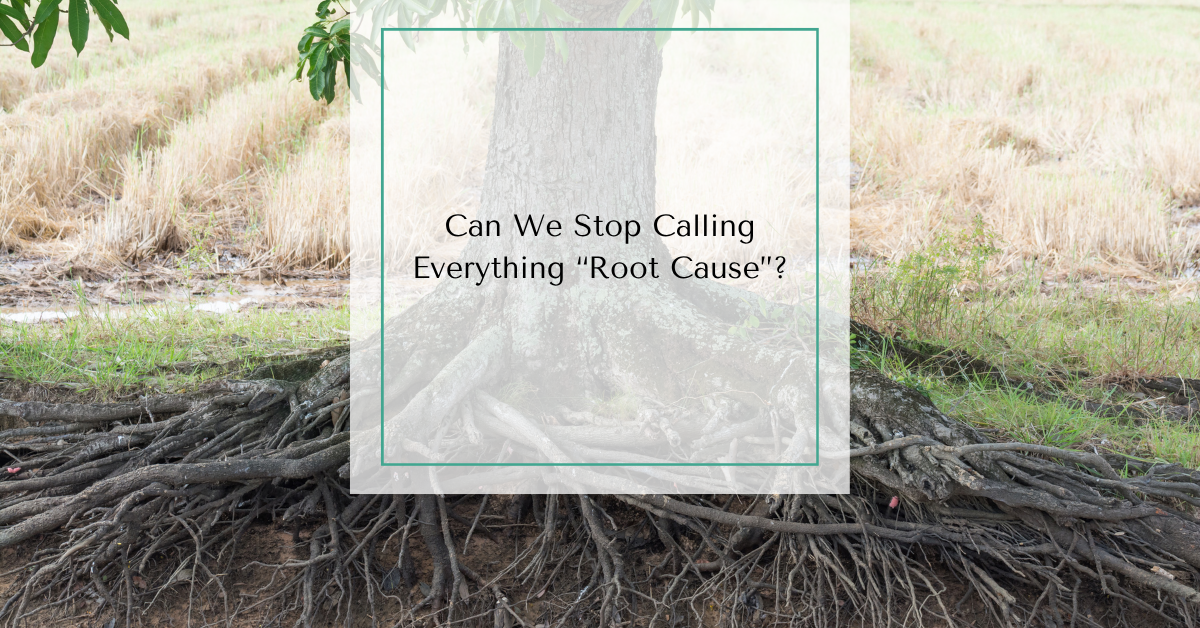
Think of cravings like a dying branch on a tree. It makes sense that you’d want to trim the branch – it’s the part you can see, it’s annoying, and it’s right in your face. But branches don’t grow on their own. They reflect what’s happening in the roots, the soil, the environment around the tree. Your body works the same way.
Sugar cravings are the branch. Blood sugar balance, digestion, gut health, inflammation, stress, sleep, and daily habits are part of the root system. If you keep trimming the branch without supporting the roots, the same pattern keeps growing back. This is also why supplements that promise to “turn off cravings” often disappoint – even if something helps a little, it can’t replace the foundations your body uses to regulate energy, hunger, and blood sugar. You don’t need another quick fix that leaves you feeling like you failed when it doesn’t last. You need to understand the system.
That’s the difference between symptom-chasing and systems healing.
A Functional Approach to Stop Sugar Cravings
A functional approach doesn’t start with “How do I force myself to stop?” It starts with “What support does my body need so the craving doesn’t have to be so loud?” That shift matters, because now you’re not fighting your body – you’re learning how to work with it.
Support Blood Sugar Stability
One of the best places to start is with the meals you’re already eating. Most women were taught to think about food in terms of calories, points, carbs, or whether something is “good” or “bad.” A functional lens looks different – it asks whether a meal gives your body what it needs to function steadily.
For blood sugar, that means protein, fat, and fiber working together. Protein might be eggs, chicken, turkey, fish, beans, or lentils. Healthy fat might be avocado, olive oil, nuts, seeds, or nut butter. Fiber comes from vegetables, berries, legumes, oats, chia seeds, and other plant foods. You don’t have to make this complicated or perfect.
Instead of toast for breakfast, how about eggs or another protein source with veggies and some avocado? For lunch, instead of a sandwich try a lettuce wrap loaded with plenty of protein and veggies to fill you up. If dinner is tacos, build the plate with enough meat or beans, avocado, salsa, and vegetables so it’s not mostly shells and chips. Small structural shifts in how you build meals can go a long way.
Improve Gut Function
Gut support starts with digestion – and before we jump to supplements or complicated protocols, it’s worth asking the simple questions first. Are you chewing your food well? Eating while rushed, distracted, or standing over the sink? Getting enough protein and fiber consistently? Drinking enough water? Are your bowels moving regularly? Do you feel bloated, heavy, or gassy after meals?
These details matter more than most women realize. Your gut needs rhythm, nourishment, and consistency. It needs food your body can actually break down and use, enough plant diversity to feed beneficial bacteria, and less chaos from skipped meals, constant snacking, stress eating, and ultra-processed foods. If your gut has been off for a while, building back slowly is smarter than going all-in at once. More fiber, more fermented foods, more of everything at the same time can actually make symptoms worse before they get better. Functional health isn’t about doing the most – it’s about starting low and going slow to build up your gut.
Strengthen the Foundations That Support Both
Blood sugar and gut health are both influenced by the daily foundations most of us overlook. Sleep. Stress resilience. Movement. Consistent meals. Hydration. A calmer eating rhythm. These aren’t separate interventions – they all support the same interconnected system.
A short walk after dinner can support blood sugar and digestion. Getting to bed a little earlier can help regulate appetite signals the next day. Eating breakfast with protein can reduce the afternoon crash. Even pausing for a few breaths before a meal can help your body shift into a better state for digestion. None of this has to be dramatic or overhauled all at once. You don’t need a total reset on Monday morning. You need clear, doable shifts that support physiology over time.
That’s how cravings start to change – not through punishment, but through intentional gentle support.
The Goal Isn’t More Willpower. It’s Better Physiology
Sugar cravings are often symptoms of an overwhelmed system – a system trying to keep blood sugar stable, find energy after poor sleep, digest food under stress, and keep functioning with whatever resources it has. The goal isn’t to become stricter or more controlling with yourself. The goal is better physiology.
When blood sugar regulation improves, cravings often become less urgent. When digestion works better, your body can absorb and use nutrients more effectively. When gut health improves, appetite and fullness signals can become clearer. When stress is supported, your body doesn’t have to keep reaching for quick fuel to survive the day. When sleep improves, cravings often get quieter because your body is more genuinely restored.
This is what it means to partner with your body instead of fighting it. Your cravings aren’t random – they’re information. And when you learn to read that information, you can start making choices that actually address what your body needs.
🍭 Your 5-Minute Action
The next time a sugar craving hits, pause before making it mean something about your willpower or your character.
Ask yourself:
- What did I eat earlier today?
- Did my last meal include protein, fat, and fiber?
- Am I tired, stressed, under-fed, or just looking for a moment of relief?
You’re just starting to notice patterns. That’s how you move from judgment to understanding – and that’s where real change begins.
You’re Not Alone
If sugar cravings have left you feeling frustrated, guilty, or just plain confused, you’re in very good company. So many women are trying to do the “right” thing with food – and still feeling like they’re failing – because they were never taught how their bodies actually work. They were taught calories, restriction, discipline, and rules. They were never taught how blood sugar, gut health, digestion, stress, sleep, and inflammation all connect.
No wonder this feels so hard.
Your body is not broken. Your cravings are not a personal failure. They may be one of the clearest ways your body is asking you to look a little deeper. And once you understand that, you can stop treating cravings like something to defeat – and start seeing them as something to learn from.
That’s where real change begins. Not with more shame. Not with more rules. With curiosity, support, and a body that finally has what it needs to feel steady again.
If this resonated, share it with a friend who’s been hard on herself about sugar. She might need to hear this too.
Your Questions, Answered
Why do I crave sugar even when I’m not hungry?
Sugar cravings aren’t always about an empty stomach. Sometimes they show up because your body wants quick energy, your blood sugar is dipping, your stress is high, or your nervous system is looking for comfort after a long day. You may feel physically full and still not feel truly steady or satisfied – and that distinction matters.
Can gut health affect sugar cravings?
Yes – more than most people realize. Your gut influences digestion, nutrient absorption, inflammation, appetite signals, and communication with your brain. When gut function is off, cravings can feel stronger and harder to understand. Supporting gut health is often one of the most overlooked pieces of the craving puzzle.
How does blood sugar impact cravings?
Your body works hard to keep blood sugar stable because your brain depends on a steady supply of fuel. When blood sugar dips, your body looks for the fastest way to bring it back up – and sugar is fast. Meals that include protein, fat, and fiber help support steadier blood sugar, which can make cravings feel much less urgent over time.
Why are sugar cravings worse at night?
Nighttime cravings are usually built throughout the day. Skipping meals, eating meals that don’t hold you, relying on caffeine, poor sleep, and high stress can all make cravings louder by evening. The craving may show up at 9 p.m., but the pattern usually started much earlier.
What is the best way to stop sugar cravings naturally?
The best way to stop sugar cravings naturally is to support the systems driving them in the first place – blood sugar stability, digestion, gut health, stress support, sleep, movement, and consistent meals. When your body feels more supported at the root level, cravings often become quieter and easier to understand without needing to rely on willpower at all.
Keep Reading…
👉 Eating Healthy but Gaining Weight? 7 Hidden Reasons Your Body May Be Holding On to Fat
👉 Continuous Glucose Monitors: Helpful Tool or Just a Trend?
👋 New to the blog?
This article is part of a bigger picture. Head over to the Start Here post to learn how the blog is organized and where to begin your healing journey.