

Do Not Delete
Have you ever sat in a doctor’s office describing fatigue, brain fog, weight changes, or mood swings—only to hear, “Your labs look fine”?
It’s confusing. If the numbers are “normal,” why doesn’t your body feel normal?
The answer lies in how we define normal—and which lens we’re looking through: pathological lab ranges or functional lab ranges.
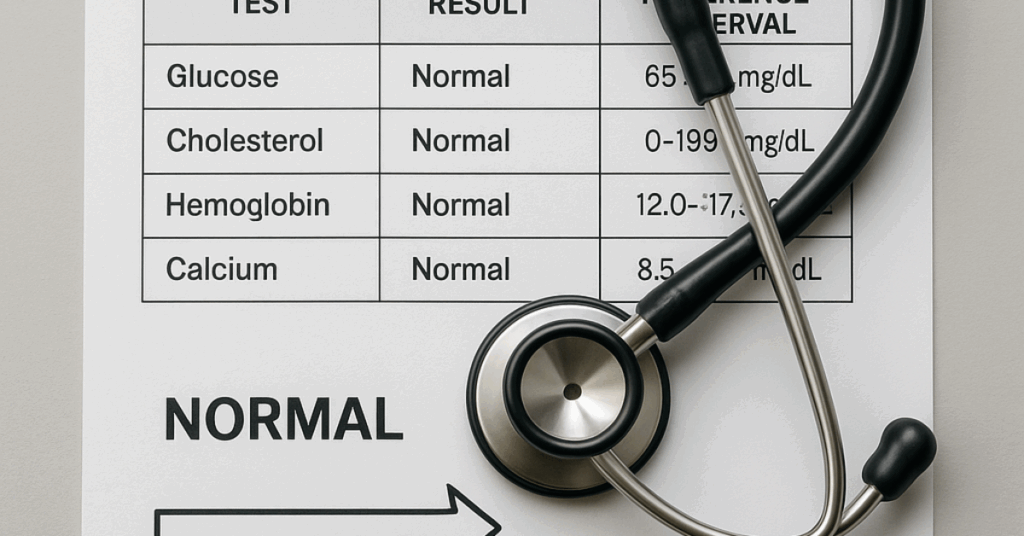
Pathological vs. Functional: Two Different Lenses
Conventional medicine is designed to catch pathology — disease states that are already well underway. Lab ranges in this system are calibrated to identify when something is seriously wrong.
There are three reasons why conventional “normal” ranges may not tell the whole story:
- They’re based on population averages. Each lab company sets its own ranges, using the population it tests. “Normal” at one lab may look different at another.
- The population itself is unhealthy. Since many people being tested already have imbalances, the averages get skewed. That means “normal” may be far from optimal.
- They only flag extremes. Something has to be significantly off before it shows up as a red flag.
That’s like saying your house isn’t considered a problem until it’s already on fire.
Functional medicine takes a different approach. Instead of waiting for the fire, we ask: “Are the wires starting to get hot?” Catching patterns early makes preventative action possible.
Why Functional Ranges Matter
Functional ranges aren’t just about avoiding disease. They’re about helping the body operate at its best.
Think of it like tuning a radio:
- Pathological: The station isn’t coming in at all. Just static. Something is seriously off.
- Functional: The station is there, but fuzzy. You can hear the music, but it takes energy and focus to make it out. Things aren’t completely out of whack yet, but you could use some fine tuning.
When your body is operating in functional ranges, it doesn’t have to strain just to keep up. Energy, mood, digestion, and hormones all flow more smoothly.
The Limits of Lab Testing
Lab tests can be valuable tools, but they also have limits. They’re a snapshot in time — influenced by what you ate, how much you slept, your stress level, hydration, or even whether you remembered your supplements that week.
That’s why the most meaningful use of labs comes from tracking patterns over time and interpreting them alongside your symptoms and history. Numbers can add clarity, but they don’t replace the bigger picture.
It’s also easy to overspend. Many people pour hundreds (or thousands) into specialty lab panels that may not be necessary — or not interpreted through the right lens.
And beyond that, a set of numbers from a lab test won’t tell you what to do about the results.
Labs are most helpful when ordered for the right reasons, at the right time, and read in context by someone who knows how to interpret the results and turn them into actionable steps, if needed.
That’s why the best investment at the start is in the foundations: food, sleep, stress, movement, and other daily inputs. Once the “muddy waters” are cleared, labs can play a powerful role in fine-tuning. But until then, the basics will always move the needle further than a panel of numbers ever could.
⏳ Your 5-Minute Action
If you’ve ever been told your labs are “normal” while still struggling with symptoms, try this:
- Write down your top three health concerns.
- Ask: When did they start? What makes them better or worse? How have they changed over time?
This reflection helps reveal patterns that numbers alone can’t capture.
You’re Not Alone
Many women have walked away from appointments feeling dismissed because their labs looked “fine.” Functional ranges offer a different perspective — one that validates what your body is saying and creates space for proactive, preventative care.
You don’t need to wait until your house is on fire. You can start paying attention when the wires are getting hot.
Keep Reading
👉 Core Health Principles – Shift from symptom-chasing to root-cause thinking.
👉 Understanding Symptoms – Symptoms aren’t the problem. They’re the clues.
👉 Nutrition as Medicine – Reconnect with what food is really for.
👋 New to the blog?
This article is part of a bigger picture. Head over to the Start Here post to learn how the blog is organized and where to begin your healing journey.


Comments +